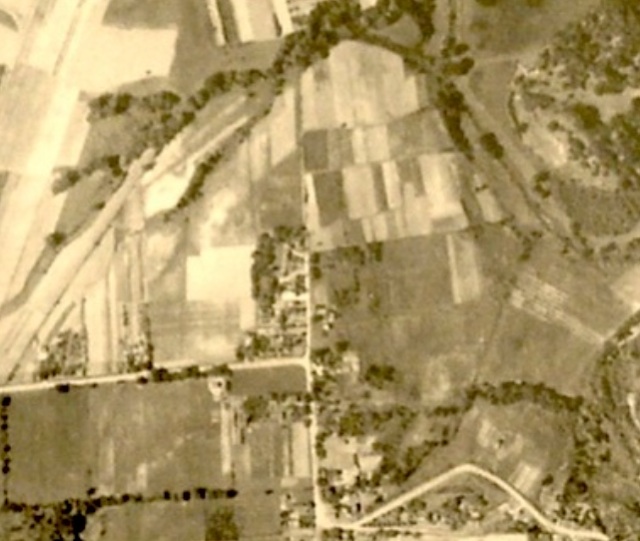
1923 Brighton N.Y.
as seen from on high...Yep!....from the sky
1923 Brighton N.Y.
as seen from on high...Yep!....from the sky

1923 Aerial View
Tryon Village
Salmon Tryon bought 315 acres in 1796


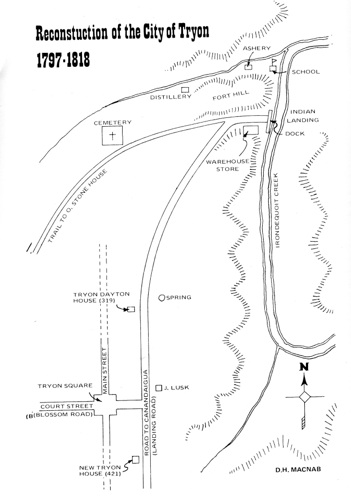
City of Tryon
First white settlement
west of Canandaigua
founded 1797,
abandoned 1818
John Lusk was the first settler 1789

What do we see 1n 1923
A landscape relatively untouched by housing development!
A very close representation of land in 1800.
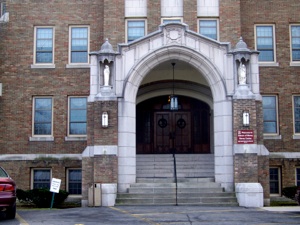
Our Lady of Mercy School for Young Women is a private all-girls Catholic school teaching grades 6-12, located in Brighton, Monroe County, New York near Rochester.
The American Sisters of Mercy founded Our Lady of Mercy High School in Rochester in 1928, The building was built in 1928, and designed by noted Rochester architect J. Foster Warner (1859-1937).
1928 School opened

***
More To Do!
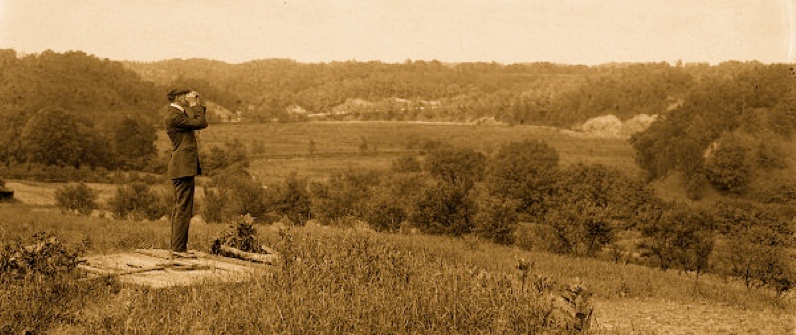
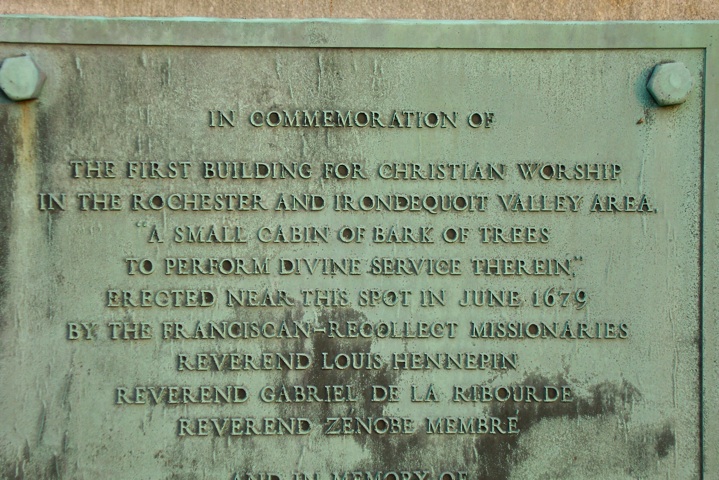
The following sign was erected on the grounds of Mercy High School to commemorate the 1679 visit of Franciscan Missionaries
Tryon
Square

Spring

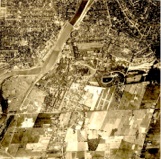
Photo #5 East Brighton


N
Today’s Neighbor to Tryon City
Mercy High School
“Here the ancient trails of the Indians converged, for the Indians had discovered generations before the coming of the white man, that by coming into Irondequoit Bay from Lake Ontario and portaging between the Indian Landing and the mouth of Red Creek, they could avoid the rapids and falls of the Genesee River.
In 1669, Rene Robert Cavelier, Sieur de LaSalle, came by canoe from Montreal to Irondequoit Bay
Illustration from “Tryon in Brighton” / Margaret MacNab
Text from “Tryon in Brighton” / Margaret MacNab
Photo (Ellison Park @ Spring, Landing Road), from Rochester Public Library
Augustus Emerson Babcock
(Brighton Supervisor, 1898-1901,1904-1907, 1910-1911, 1928-1931, served 20 years)
(Brighton Historian, 19??, Brighton Police Commissioner, 1931)
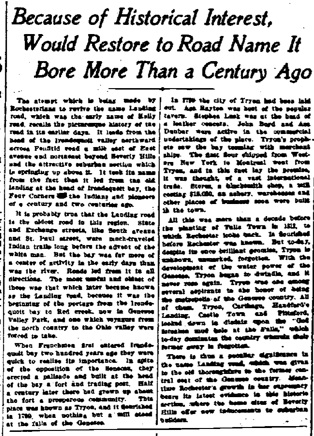
Rochester Democrat & Chronicle, dated November 23, 1916
“The City of Tyron and Its Vicinity””
“At the november meeting of the Irondequoit Chapter, D.A.R., Mr. Babcock told the story of the City of Tyron. Near the end of his address, Mr. Babcock said that nothing remains to-day to show that the city of Tyron was on the site it occupied long ago. He suggested that it be marked and made a city park. Where the lake schooners came and went and the fur trade was extensive, there is a now a Dutch settlement of thirty citizens. The land, once regarded as little better than a swamp is now sold at $1,000 an acre, the speaker said.”



N